

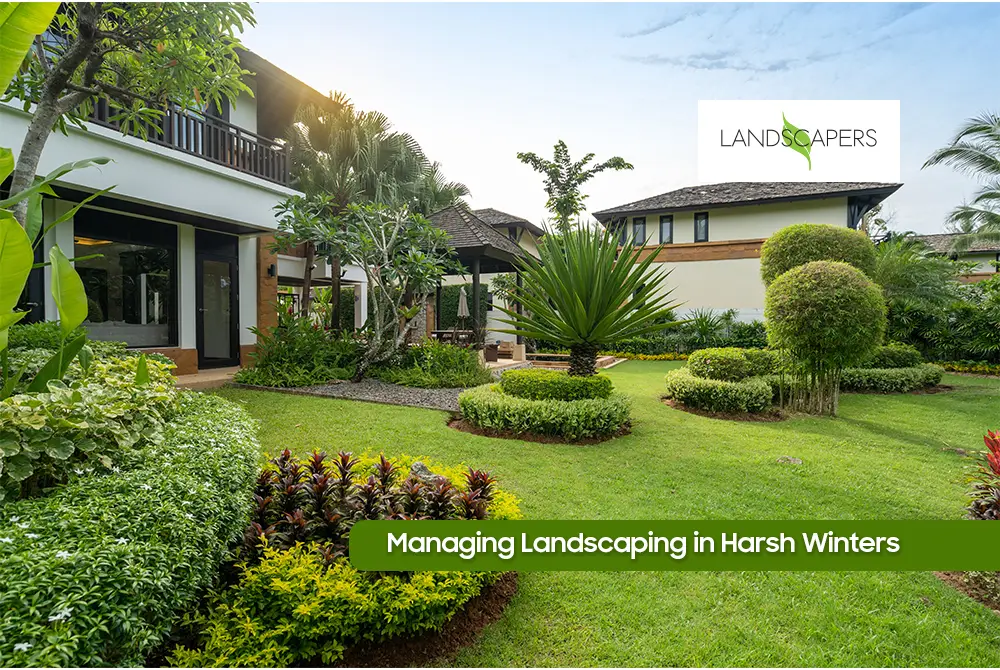
Managing Landscaping in Harsh Winters
Harsh winters present one of the most demanding seasons for landscape management. Freezing temperatures, frost, reduced sunlight, heavy winds, and dormant soil conditions place significant stress on plants, hardscape, and soil health. Without a structured seasonal strategy, even the most thoughtfully planned landscape design can suffer long-term damage. Effective winter planning is not about preservation alone; it is about preparation, protection, and positioning your landscape for strong recovery in spring.
This guide outlines practical, climate-responsive approaches to winter landscaping care while integrating sustainable landscape design principles and actionable winter landscaping ideas.
Understanding the Impact of Winter on Landscapes
Winter affects landscapes in multiple ways:
- Soil compaction and freezing restrict root respiration and water absorption.
- Frost damage disrupts plant cells, especially in non-hardy species.
- Desiccation occurs when cold winds dry out evergreen foliage faster than roots can replenish moisture.
- Structural stress impacts hardscape elements such as pathways, edging, and retaining walls due to freeze-thaw cycles.
Recognizing these risks allows for proactive planning rather than reactive maintenance.
Strategic Winter Landscaping Care
Effective winter landscaping care begins well before temperatures drop. A structured maintenance plan ensures both plant health and landscape integrity.
- Soil Protection and Conditioning
Healthy soil is the foundation of resilient landscaping. Apply organic mulch to insulate root systems, regulate soil temperature, and retain moisture. Mulching also prevents erosion and suppresses winter weeds that compete for nutrients. Compost integration before winter improves microbial activity and soil structure.
- Plant Protection Measures
Sensitive plants require physical barriers such as frost cloths, burlap wraps, and windbreaks. Shrubs and young trees benefit from trunk guards to prevent frost cracking and pest damage. Evergreen species should be well-watered before freezing begins to reduce winter dehydration stress.
- Smart Pruning Practices
Avoid heavy pruning in early winter. Structural pruning should be done during dormancy, while flowering plants should only be pruned based on species-specific cycles to avoid disrupting spring blooms.
- Water Management
Winter drought is a common but overlooked issue. Water deeply before the ground freezes, particularly for perennials and evergreen plants. Proper hydration improves frost resistance and root stability.
Functional Winter Landscaping Ideas
Winter landscaping does not have to be visually inactive. Thoughtful design choices can maintain structure, beauty, and usability throughout the season.
Hardscape-Centered Design
Incorporating stone pathways, textured pavements, and defined borders ensures visual continuity even when plants are dormant. Landscape design that integrates year-round materials enhances both function and aesthetics during the winter months.
Evergreen Structuring
Evergreens act as natural anchors in winter compositions. Strategic placement of conifers, hedges, and winter-hardy shrubs provides structure, privacy, and visual balance.
Seasonal Visual Interest
Use plants with winter bark textures, berries, or seed heads to add character. Landscape design should account for seasonal aesthetics, not only peak-season beauty.
Lighting Integration
Outdoor lighting enhances safety and visibility while adding warmth and visual depth to winter landscapes. Pathway and accent lighting create functional elegance in low-light conditions.
Sustainable Landscape Design for Winter Resilience
Sustainability plays a critical role in winter landscape management. Climate-responsive landscape design prioritizes durability, efficiency, and ecological balance.
Native and Climate-Resilient Species
Plants adapted to local climates naturally withstand harsh winters with minimal intervention, reducing maintenance and replacement costs.
Water-Efficient Systems
Winter irrigation planning should focus on conservation while preventing dehydration stress. Smart irrigation systems help regulate water use based on temperature and soil conditions.
Low-Maintenance Material Selection
Using durable, weather-resistant hardscaping materials reduces damage from freeze-thaw cycles and lowers long-term repair costs.
Planning for Spring Through Winter Care
Winter landscaping care is not only about survival—it directly impacts spring performance. Protected roots, healthy soil, and structurally sound plants recover faster, bloom stronger, and grow more uniformly.
Well-managed landscapes in winter require less corrective intervention in spring, reducing labor, costs, and plant replacement. This continuity reflects intelligent landscape design—where each season supports the next.
Conclusion
Managing landscaping in harsh winters requires a balance of preparation, protection, and design intelligence. By integrating structured winter landscaping care, functional winter landscaping ideas, and climate-responsive landscape design principles, outdoor spaces can remain resilient, visually structured, and environmentally sustainable.
Winter should not be viewed as a dormant threat to landscaping, but as a strategic phase of long-term landscape management. With the right approach, harsh winters become a season of protection, planning, and foundation-building for healthier, stronger, and more enduring landscapes.