

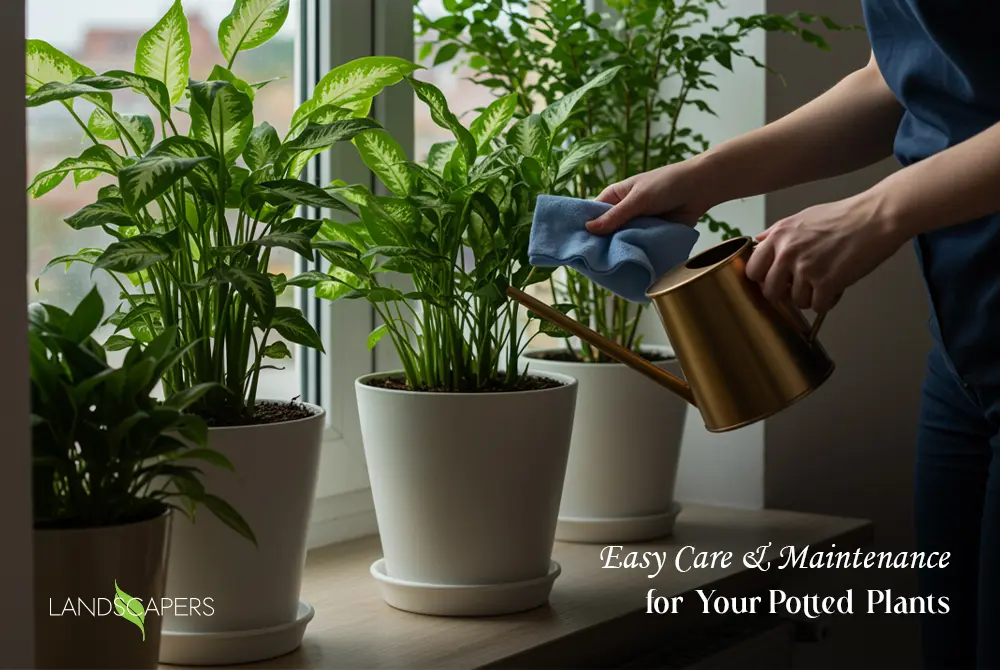
Easy Care & Maintenance for Your Potted Plants
Potted plants have become an essential part of modern living spaces. From brightening balconies to adding freshness indoors, they offer beauty, cleaner air, and a calming atmosphere. However, keeping potted plants healthy requires more than occasional watering. With the right approach to indoor plant care, even beginners can maintain thriving greenery at home. This guide outlines practical and easy care tips to help your potted plants grow well throughout the year.
1. Choose the Right Plants for Your Space
Successful plant care begins with choosing indoor plants that suit your environment. Light, temperature, and available space play a major role in plant health.
If your home receives limited sunlight, opt for low-light indoor plants such as snake plants, pothos, or peace lilies. For brighter areas near windows or balconies, plants like areca palms, fiddle leaf figs, or rubber plants perform well. Selecting plants that naturally adapt to your indoor conditions reduces maintenance and stress.
2. Understand Proper Watering Practices
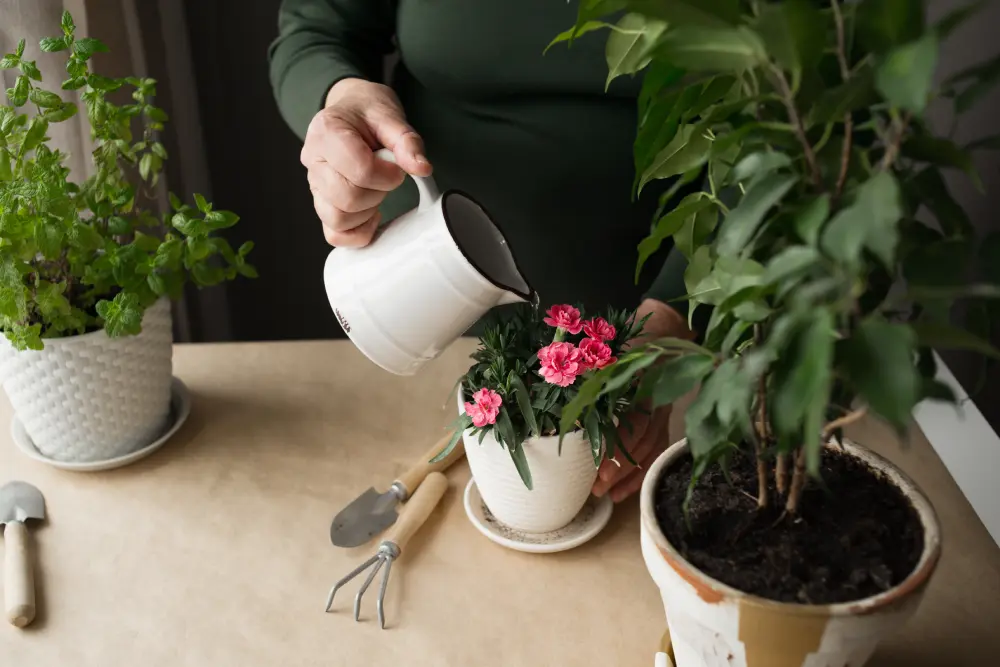
Overwatering is one of the most common reasons potted plants fail. Each plant has different water requirements, so avoid a fixed watering schedule.
Before watering, check the top inch of soil. If it feels dry, water thoroughly until excess drains out of the pot. Ensure your pots have drainage holes to prevent waterlogging, which can cause root rot. During cooler months or in air-conditioned rooms, indoor plants generally require less frequent watering.
3. Use the Right Soil and Pot
Healthy roots are the foundation of strong plants. Always use quality potting mix rather than garden soil, as potting mixes provide better aeration and moisture control for potted plants.
The size of the pot also matters. A pot that is too small restricts root growth, while an oversized pot can retain excess moisture. As plants grow, repot them every one to two years to refresh the soil and provide more space for root development.
4. Provide Adequate Light
Light is essential for photosynthesis and overall plant health. Most indoor plants prefer bright, indirect sunlight rather than harsh direct rays.
Place plants near windows where they receive filtered light, and rotate pots every few weeks to ensure even growth. If natural light is limited, consider using grow lights to support indoor plant care, especially for decorative or flowering plants.
5. Maintain Ideal Temperature and Humidity
Indoor plants thrive in stable conditions. Most prefer temperatures between 18°C and 30°C, which aligns well with typical indoor environments.
Avoid placing potted plants near air conditioners, heaters, or drafts, as sudden temperature changes can stress them. Many indoor plants benefit from moderate humidity. You can increase humidity by misting leaves occasionally, grouping plants, or placing a tray of water near them.
6. Feed Your Plants Regularly
Like all living things, potted plants need nutrients to grow. Over time, nutrients in the soil deplete, so fertilizing is essential.
Use a balanced liquid fertilizer every two to four weeks during the growing season. Reduce feeding during winter when growth slows. Always follow recommended dosages, as over-fertilizing can damage roots and leaves.
7. Prune and Clean Your Plants
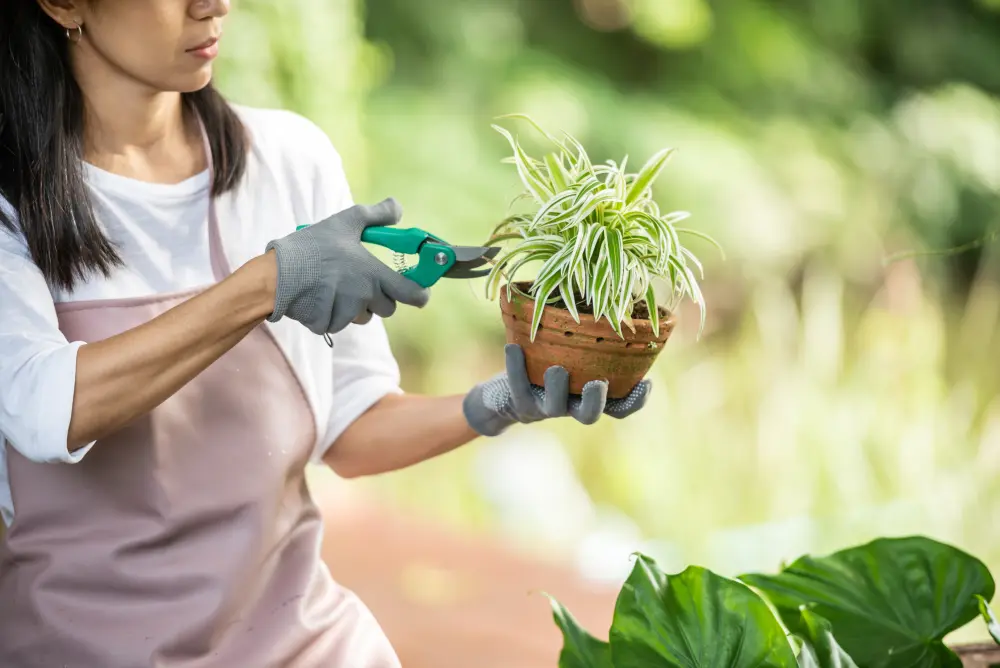
Regular pruning helps maintain shape and encourages healthy growth. Remove yellow, dry, or damaged leaves to allow the plant to focus energy on new growth.
Dust can accumulate on leaves, especially on indoor plants. Wipe leaves gently with a damp cloth to improve their ability to absorb light. Clean plants not only look better but also stay healthier.
8. Watch Out for Pests and Diseases
Even with good indoor plant care, pests can appear. Common issues include aphids, spider mites, and mealybugs.
Inspect plants regularly, especially under leaves. If pests are detected, isolate the plant and treat it with neem oil or a mild soap solution. Early intervention prevents infestations from spreading to other potted plants.
9. Rotate and Reposition When Needed
Plants naturally grow towards light. Rotating pots every few weeks ensures balanced growth and prevents leaning. If a plant shows signs of stress, such as leaf drop or discoloration, try repositioning it to a spot with better light or airflow.
10. Be Patient and Observant
Each plant grows at its own pace. Changes may not be immediate, but regular observation helps you understand your plant’s needs. Drooping leaves, discoloration, or slow growth often indicate that adjustments are needed in watering, light, or fertilization.
Conclusion
Caring for potted plants does not have to be complicated. By selecting the right plants, maintaining proper watering and lighting, and following basic indoor plant care practices, you can enjoy healthy and vibrant greenery year-round. With consistency and a little attention, indoor plants can transform your living space into a refreshing and peaceful environment.
Whether you are a seasoned plant enthusiast or just starting out, these easy care and maintenance tips will help your potted plants thrive and bring lasting beauty to your home.