

Home Interior Design Trends in 2026
As we move into 2026, home interior design is evolving in dynamic, thoughtful ways. Designers and residents alike are redefining what it means for a space to be personal, functional, and expressive. The emphasis is no longer purely on minimal aesthetics or generic neutrality; instead, Interior Design for Home in 2026 celebrates personality, comfort, sustainability, and versatility. From vibrant color stories to nature-enabled living spaces, here’s a comprehensive look at the trends shaping home interiors for residents in 2026.
1. Warm, Person-Centric Spaces
In 2026, interiors are becoming deeply personal and emotionally resonant. Rather than impersonal, ultra-minimal spaces, homeowners are opting for designs that reflect their lifestyle, memories, and well-being priorities. This shift sees homes thoughtfully tailored to how people live, rest, and interact with their environment.
Designers are emphasizing:
- Curated spaces that tell a story
- Comfortable retreats created through layered textures and lighting
- Intentional layouts that promote relaxation and connection among residents.
This trend represents a more human-centered interior design for residents, where aesthetics support mental calm and physical comfort in everyday life.
2. Warm Modern Minimalism with Smart Functionality
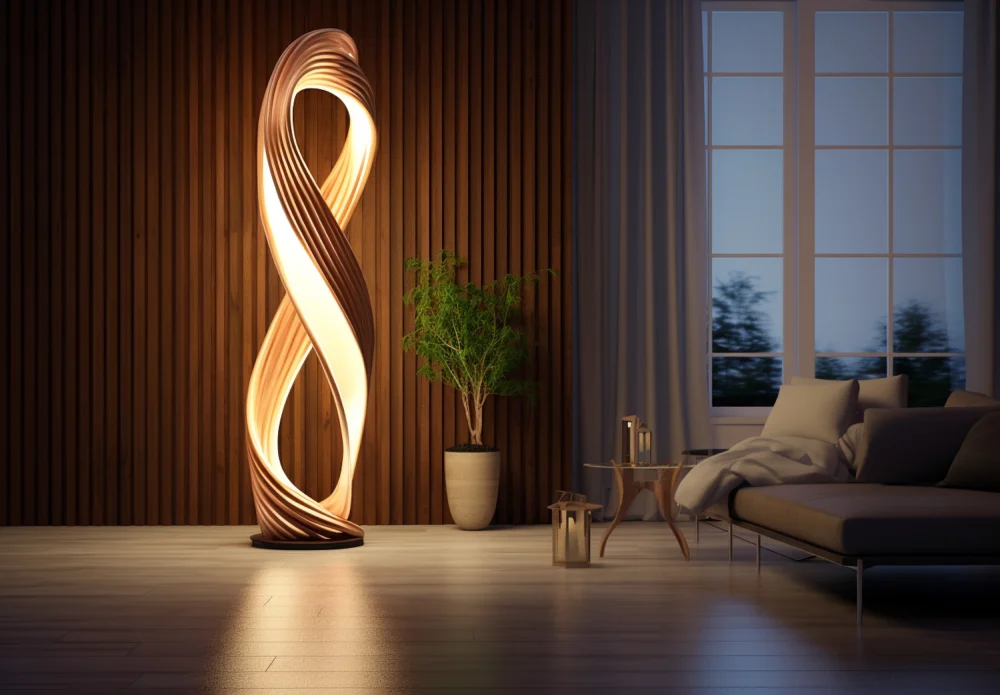
Minimalism is not disappearing, but it’s transforming. In 2026, sleek, minimalist designs are warmer and more inviting. The color palette includes warm neutrals – taupe, latte, sand, and greige, paired with mid-tone woods and soft fabrics. These choices strike a balance between simplicity and warmth.
Key features of this trend:
- Hidden storage and multifunctional furniture
- Intelligent lighting schemes with layered illumination
- Modular elements that maximize space efficiency.
For home interior design, especially in urban apartments, this approach blends spaciousness with comfort, ensuring every inch works harder without appearing cluttered.
3. Earthy, Vibrant Colors and Bold Hues
The days of purely neutral interiors are shifting toward bold, expressive palettes. Earthy colours, such as ochre, olive green, deep blues, burgundy, and terracotta, are gaining popularity as designers move away from cold greys and uninspired beiges.
These tones are used in many ways:
- Color drenching, where entire rooms (walls, ceilings, and furniture) are enveloped in a single color
- Accent hues in statement pieces like sofas and cabinetry
- Layered palettes that deepen emotional resonance.
For residents looking at interior design for homes, this trend provides a way to convey personality without overwhelming the senses.
4. Material Depth and Textural Play
Texture is becoming an essential tool in 2026 interior design. Flat, smooth surfaces are giving way to tactile materials that invite touch and visual depth. Popular choices include:
- Woven textiles
- Bouclé upholstery
- Textured wall finishes like limewash or Roman clay
- Layered rugs and organic textiles.
These create multi-sensory environments that feel warm and inviting, a priority for residents who want their homes to be calming yet visually rich.
5. Natural & Sustainable Design Elements
Sustainability is no longer a bonus but a defining principle of modern interiors. Homeowners are opting for eco-friendly, responsibly sourced materials that minimize environmental impact.
Designers are integrating:
- Reclaimed woods and salvaged metals
- Low-VOC paints and finishes
- Upcycled décor pieces
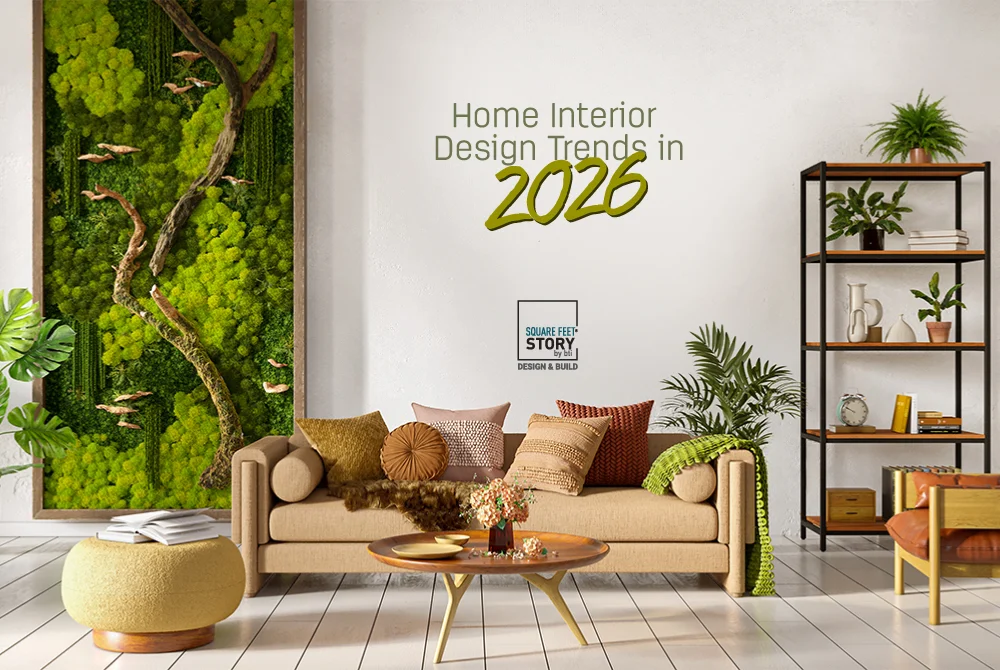
- Biophilic elements like green walls, indoor plants, and natural lighting.
This focus on eco-conscious materials supports both environmental health and the well-being of residents.
6. Indoor–Outdoor Living & Biophilia
In 2026, interiors blur the boundaries between indoors and outdoors. Homeowners are integrating natural elements directly into their living spaces, embracing:
- Large windows and sliding doors
- Vertical gardens and indoor plants
- Natural stone and wood surfaces.
This biophilic design, which connects residents with nature, has been linked to improved mental well-being, enhanced air quality, and a greater sense of spatial openness.
7. Flexible & Multifunctional Spaces
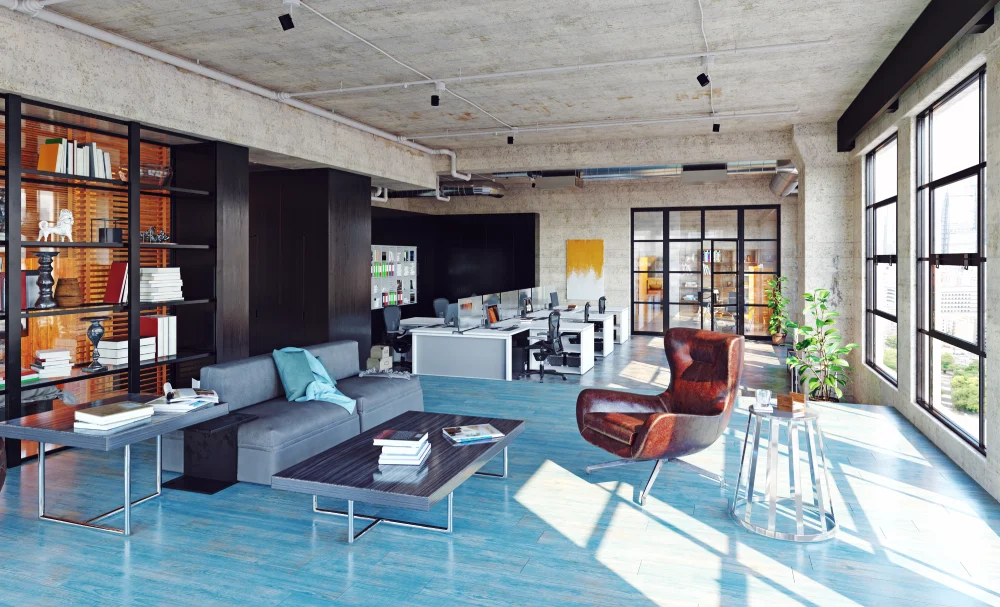
As lifestyles continue to evolve, homes are becoming more dynamic. Residents increasingly demand spaces that adapt to multiple functions, living rooms can double as workspaces, guest areas can turn into hobby rooms, and corners are designed for reading nooks. Interior design for home spaces in 2026 reflects this by incorporating:
- Modular furniture
- Foldable desks and hidden workstations
- Transformable rooms for wellness, play, or rest
This flexibility allows homes to respond to changing needs without frequent renovations.
8. Statement Pieces and Personal Accents
A growing trend in 2026 is the use of signature furniture and décor that instantly elevate a room. Rather than uniform, match-everything interiors, designers are incorporating:
- Sculptural lighting
- Curved, oversized seating
- One-of-a-kind vintage or artisan pieces.
These focal elements add character and tell a story about the homeowner, a key feature in contemporary interior design for residents.
9. Smart Integration and Digital Features
Technology continues to influence home interior design. While not ubiquitous, smart features are more integrated and intuitive, including:
- Automated lighting and climate control
- Remote-managed windows and curtains
- Digital art frames and media displays.
These elements enhance convenience and modern living without detracting from the aesthetic cohesion of interiors.
Conclusion
Home Interior Design in 2026 is markedly distinct from earlier trends. Rather than chasing minimal extremes or purely aspirational looks, design focuses on lived experience, comfort, personalization, sustainability, and smart functionality. Whether you’re a resident planning a renovation or simply refreshing a room, 2026 offers a wealth of inspiring directions that balance form, function, and emotional richness.
By embracing warm palettes, tactile textures, flexible layouts, and biophilic principles, Interior Design for Home becomes a deeply human process, one that elevates daily life and reflects the unique identity of its residents.