

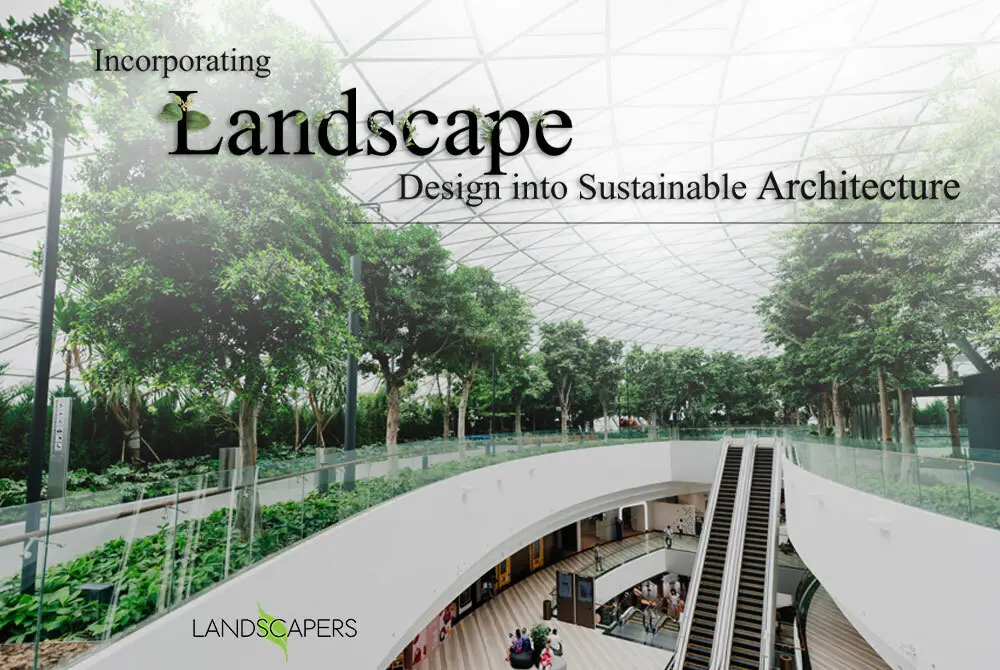
Incorporating Landscape Design into Sustainable Architecture
The world is moving towards a future that seems to be daunting, with far more environmental challenges than we have ever seen. As cities grow denser and environmental issues worsen over time, the relationship between buildings and their natural surroundings becomes the main focus. Sustainable architecture is no longer limited to energy-efficient structures alone—it now embraces landscape design as a major component of environmentally responsible/ sustainable development.
Thoughtfully incorporated landscaping enhances ecological balance, improves wellbeing, and transforms buildings into living systems that work with nature rather than against it.
The Role of Landscape in Sustainable Architecture
Landscape design goes beyond aesthetics. In sustainable architecture, it plays a functional role by:
- Regulating temperature and reducing heat gain
- Managing stormwater naturally
- Supporting local biodiversity
- Improving air quality and microclimates
Green spaces soften the built environment, creating healthier, more resilient communities.
Designing with Nature
Understanding the construction site is a huge part of sustainable landscape architecture. Respecting natural topography, existing vegetation, sunlight patterns, and wind flow allows designers to minimize disruption while maximizing efficiency.
Preserving mature trees, working with natural slopes, and integrating native plant species help reduce water consumption and long-term maintenance while strengthening the local ecosystem.
Climate Regulators
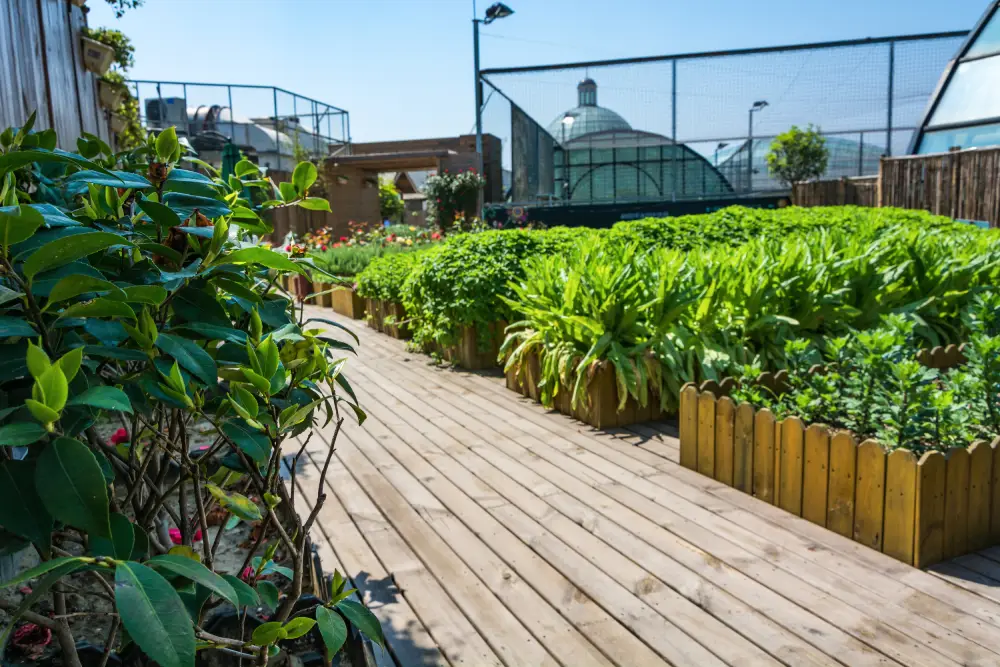
Strategically placed landscaping can significantly lower energy use. Green roofs, shaded courtyards, vertical gardens, and tree-lined walkways reduce surface temperatures and provide natural insulation.
These elements enhance thermal comfort while reducing dependence on mechanical cooling—a major step towards lowering a building’s carbon footprint.
Water-Sensitive Landscaping
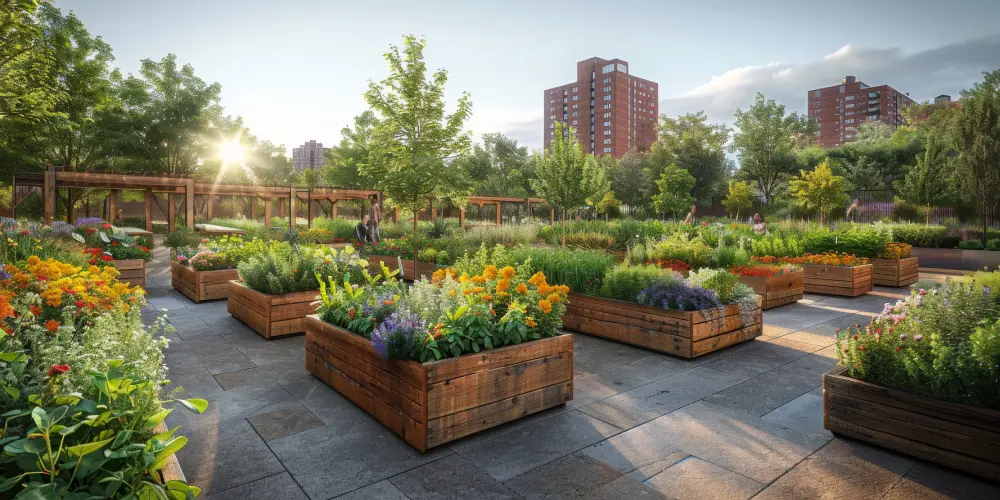
Water conservation is central to sustainable architecture. Landscapes can be designed to capture, filter, and reuse rainwater through features such as:
- Permeable paving
- Rain gardens
- Reflecting pools fed by recycled water
These types of systems reduce surface runoff, prevent flooding, and promote groundwater recharge.
Enhancing Wellbeing
Access to nature is proven to improve mental health, productivity, and overall quality of life. Landscaping provides spaces for relaxation, social interaction, and physical activity.
In residential and mixed-use developments, thoughtfully designed outdoor areas encourage community engagement and foster a stronger connection between people and spaces.
Biodiversity and Urban Ecology
Incorporating native plants, green corridors, and pollinator-friendly gardens supports the biodiversity & ecology of the area. Birds, insects, and small wildlife play a big role in maintaining ecological balance—even within dense cities.
By designing landscapes that invite life, architecture contributes to healthier, more sustainable urban ecosystems.
Sustainability & Long-Term Value
Projects combining landscape design with architecture often experience higher property value, improved livability, and greater long-term resilience. Green environments age gracefully, adapt naturally, and have lower operational costs over time.In modern times, sustainable landscapes are an investment in durability, efficiency, and environmental responsibility.
Incorporating landscape design into sustainable architecture transforms buildings into living environments—places that breathe, evolve, and support people and nature. As the future of architecture moves towards sustainability, landscape design stands as a powerful tool in shaping greener, healthier, and more resilient cities.
True sustainability is achieved when architecture and landscape exist in harmony—creating spaces that nurture life today and protect the planet for generations to come.