

Significance of Pruning Trees in Landscape Maintenance
No matter the kind of landscape you discuss, it is defined by the kinds of trees it houses. Trees are highly significant as they offer shade, structure, seasonal beauty, and environmental benefits. However, these trees will only be able to elevate the status of property when they are properly tended to and taken care of. One of the most essential practices in landscape maintenance is pruning trees to ensure optimal growth.
Pruning is a strategic process that helps ensure the health, safety, and aesthetics of trees. Here are some reasons why pruning is a crucial part of landscape maintenance:
1. Promotes Healthy Growth
Over time, trees develop dead, diseased, or damaged branches. If left unattended, these branches can weaken the entire tree and invite pests.
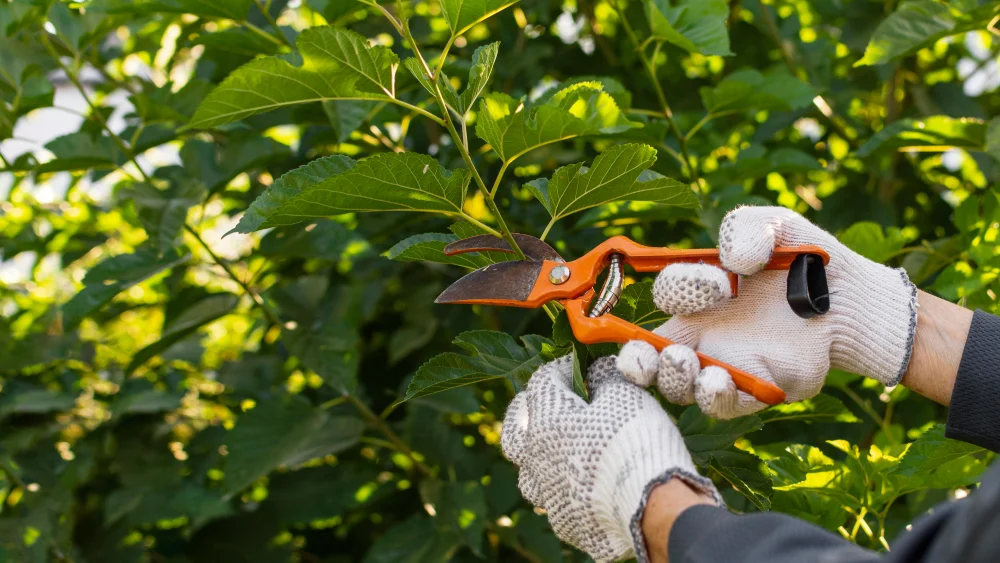
Pruning removes unhealthy limbs, improves air circulation, enhances sunlight penetration, and encourages better, balanced growth. Pruning helps redirect the energy that would be spent extending roots in improving the tree’s overall health.
2. Enhances Safety
In homes, commercial properties, and public spaces, safety is of the utmost importance. Weak or overgrown branches can break during stormy weather, putting people, vehicles, and buildings at risk. Pruning trees regularly lowers the risk of falling branches, prevents obstruction of paths and driveways, and keeps them clear of power lines and structures.
3. Improves Aesthetics
A properly-pruned tree enhances the symmetry of a landscape. Overgrown branches can make even a premium property look as though it is in ruins. Pruning helps manage a balanced canopy, shaping trees in a way that architectural design is complemented, all while highlighting focal points of the landscape. A well-manicured landscape boosts curb appeal.
4. Encourages Flowering and Fruit Production
For flowering/ fruit-bearing trees, pruning is essential for optimal growth. Removing old growth stimulates new growth in the following season.
5. Supports Structural Strength
Young trees especially benefit from pruning in earlier times. Early shaping encourages great branch structure, lowering the likelihood of splitting/ structural weakness in the future. Proper pruning prevents overcrowding, reducing long-term maintenance costs. A well-structured tree can withstand harsh weather conditions more effectively.
6. Extends Tree Lifespan
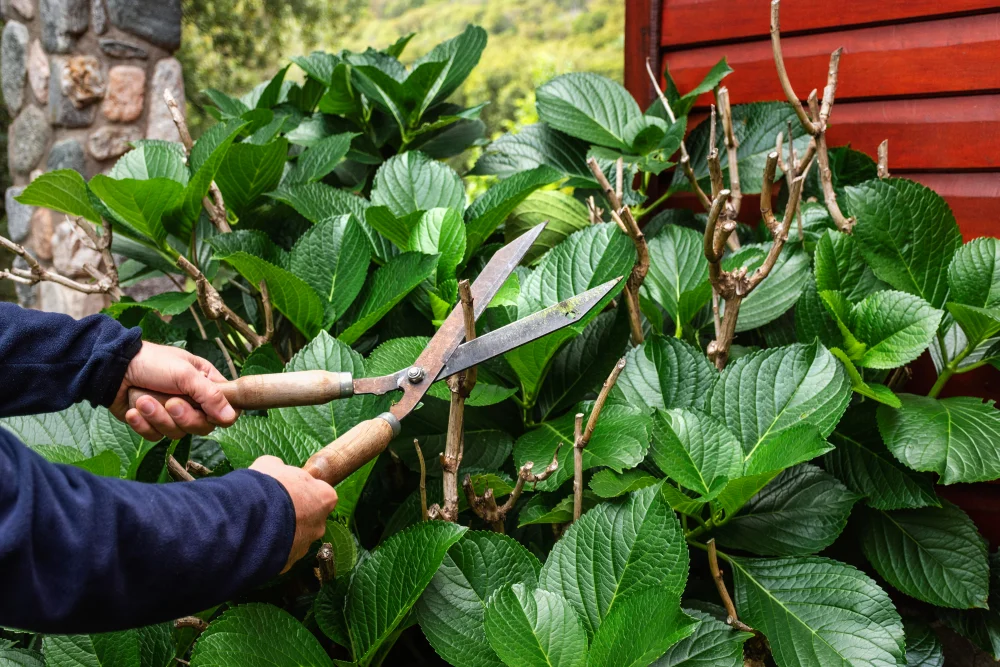
Routine care greatly extends the life expectancy of trees. By eliminating stress factors and maintaining structural integrity, pruning helps trees remain healthy for years and years.
In large residential communities or commercial landscapes, this means lower replacement costs, consistent greenery & long-term environmental benefits. To maximize the benefits for pruning, it must be done in the correct season for the tree in question, done using proper tools by trained experts.
To maximize the benefits of investing in trees, pruning is the best available option.
Pruning also protects people, enhances property value, and nurtures environmental sustainability.
A thoughtfully maintained landscape is about caring for them consistently. Pruning is one of the most powerful ways to ensure they continue to grow strong and resilient for years to come.